
7 Common Pet Care Mistakes Even Experienced Owners Make
Okay, let’s be real for a second—owning a pet isn’t just about cuddles and cute Instagram stories. It’s a full-time job disguised as “fun.” Whether you’ve been a pet parent for five days or five years, you’ve probably made a few mistakes along the way (yep, me too). And the tricky part? Some of these pet care mistakes sneak in so quietly that even the most experienced owners don’t notice them.

So, grab your coffee (or your dog’s chew toy, no judgment), and let’s talk about the **7 common pet care mistakes** that even seasoned owners sometimes make—and how to fix them before your furry friend starts giving you side-eye.
1. Overfeeding “Because They Look Hungry”
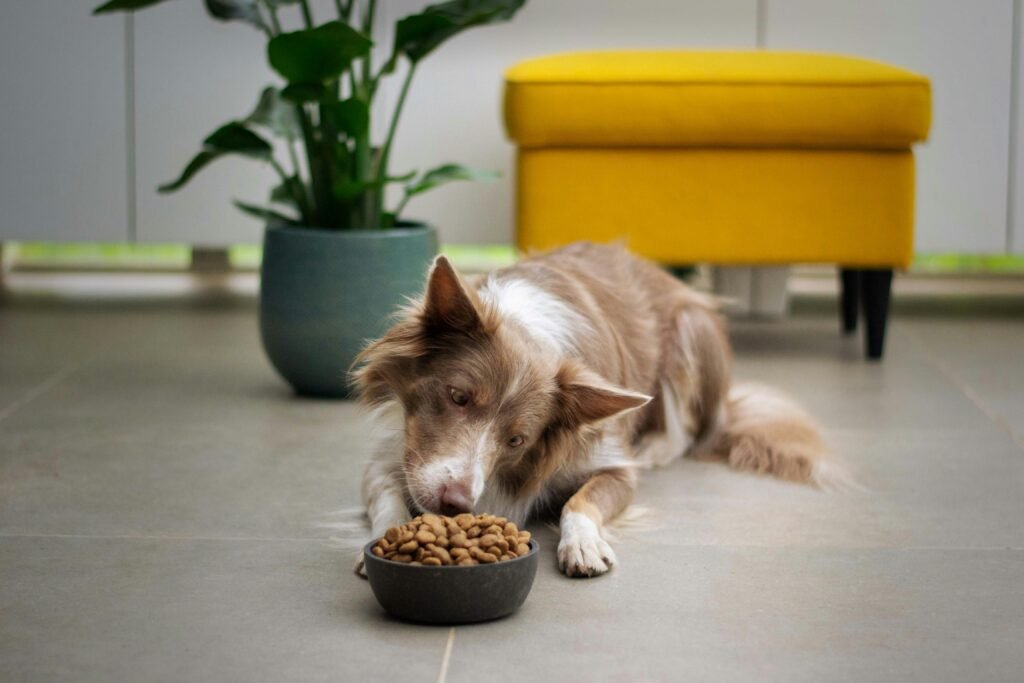
Oh boy, this one’s a classic. You see those big puppy eyes staring at you while you’re eating dinner, and you think, “A little bite won’t hurt, right?” Spoiler: it does.
Overfeeding is one of the most common health issues for pets today. And it’s not just about giving too many treats—it’s also about misunderstanding portion sizes.
Here’s the deal:
- Most pets have smaller calorie needs than we think.
- Even “healthy” treats add up fast (especially for small breeds).
- Extra weight leads to joint pain, heart issues, and shorter lifespans.
I once had a cat named Milo who could’ve won a sumo competition. I thought I was being kind by filling his bowl whenever he meowed. Turns out, he was just bored. (FYI, cats are excellent actors.)
Fix it: Stick to the feeding guide on the food package, and schedule fixed meal times. If they still beg, distract them with a toy or cuddle instead of another snack.
2. Skipping Regular Vet Visits
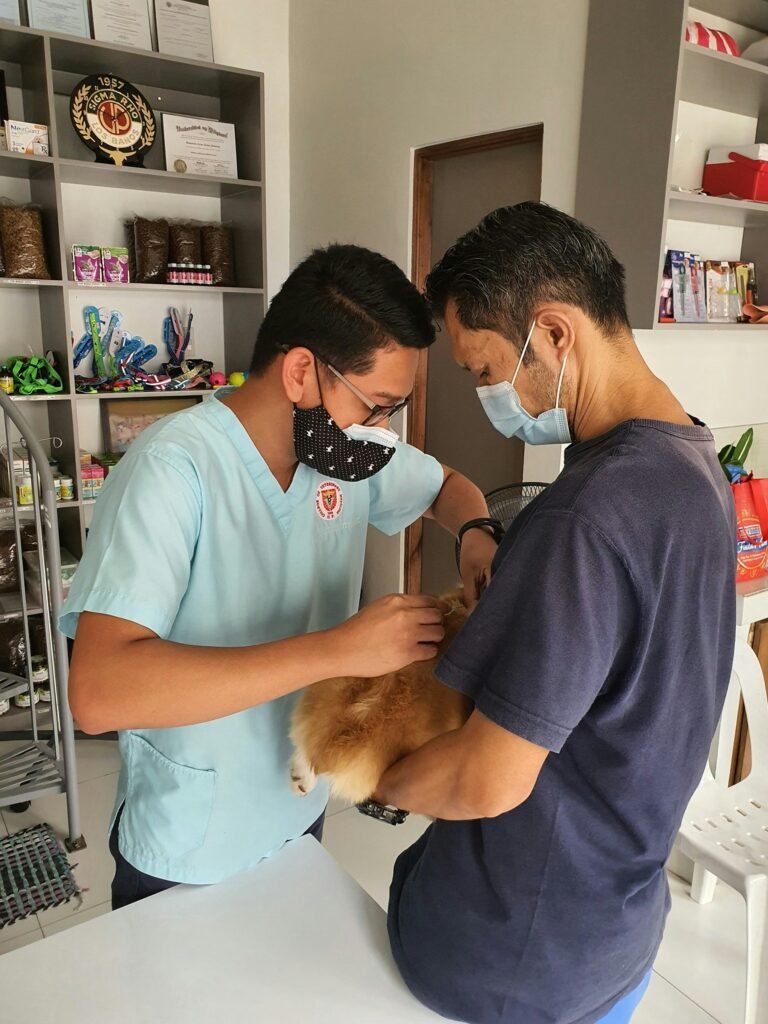
You know how we sometimes avoid the doctor until something hurts? Yeah, pets can’t even say it hurts. So, skipping the vet is like playing health roulette.
Even experienced owners sometimes think, “My pet looks fine; I’ll just wait till next time.” But some health issues—like dental disease or thyroid problems—don’t show symptoms right away.
Why it matters:
- Early detection saves lives (and money).
- Annual checkups help track weight, diet, and overall health.
- Vaccinations and parasite checks keep your pet safe year-round.
Think of the vet as your pet’s personal life coach—minus the motivational quotes and yoga poses.
Pro tip: Keep a reminder in your phone for bi-annual checkups. Even if everything seems okay, that’s how you keep it okay.
3. Neglecting Dental Care
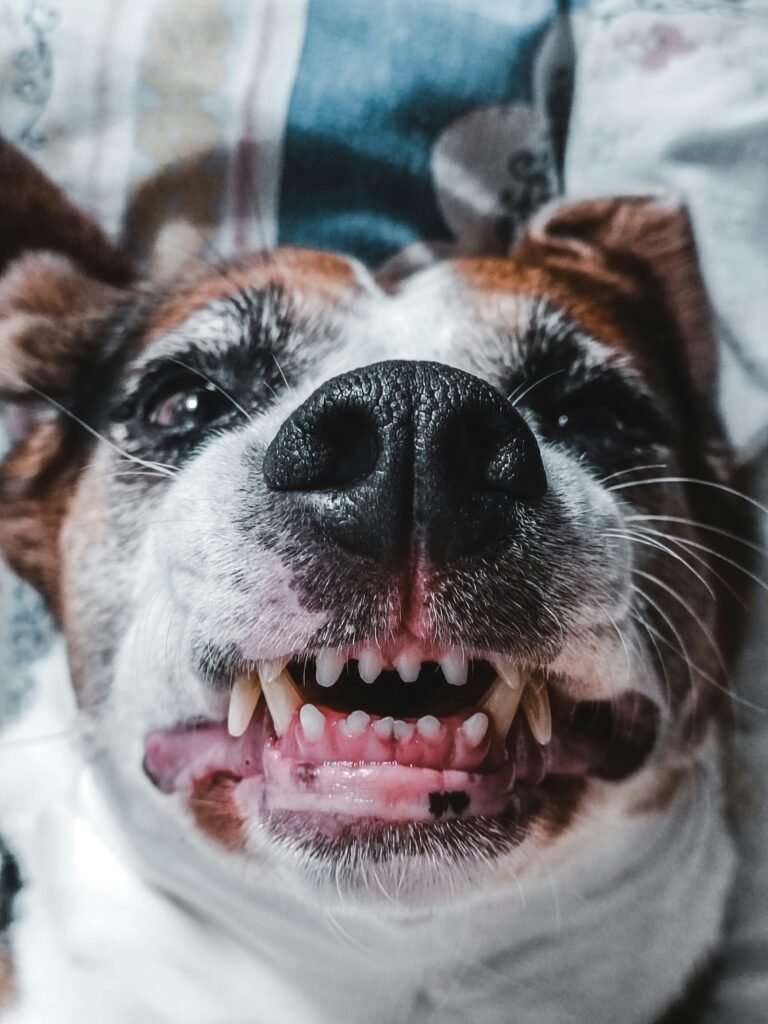
If your pet’s breath could knock out a small elephant, this section’s for you. Dental care is one of the most overlooked parts of pet health, even by experienced owners.
I get it—it’s awkward brushing your dog’s teeth while they look at you like you’ve lost it. But ignoring it can cause gum disease, infections, and pain that spreads beyond the mouth.
How to fix it:
- Use pet-safe toothpaste (never human toothpaste—seriously, don’t).
- Start slow: let them lick the toothbrush or paste first.
- Add dental chews or water additives if brushing is a battle.
I used to skip this step, too, until I learned that dental infections can affect the heart and kidneys. Now I treat brushing like a mini spa day (minus the cucumber slices).
4. Forgetting About Mental Stimulation
You walk your dog, feed your cat, and call it a day—but what about their brains? Pets need mental exercise as much as physical movement. Without it, they can get bored, anxious, or even destructive.
Ever come home to find your couch shredded or your shoes turned into “chew art”? Yeah, that’s your pet saying, “Hey, I’m bored!”
Here’s what helps:
- Puzzle toys that hide treats
- New walking routes for dogs
- Play sessions that mimic hunting for cats
- Training new tricks (yes, even old dogs love it)
My dog, Luna, once figured out how to open the fridge when she was bored. Now she has puzzle feeders and playtime that keep her out of my sandwich stash.
Bottom line: A tired pet is a happy pet—but a mentally tired one is an angel.

5. Using Human Products on Pets
Raise your hand if you’ve ever used your own shampoo on your pet because you ran out of theirs. (Yeah, guilty.) It seems harmless, but human products can seriously mess up your pet’s skin and pH balance.
Our skin and their fur are not built the same. Even something mild for us can cause itching, dryness, or allergic reactions for them.
Avoid these common slip-ups:
- Human shampoo: Too acidic for pets
- Essential oils: Some are toxic (like tea tree or eucalyptus)
- Medications: Never give human meds unless a vet says so
One time I tried “lavender essential oil” to calm my cat during fireworks. She ended up foaming at the mouth—not from peace, but from irritation. Lesson learned.
Fix it: Always use vet-approved products for grooming and health care. They’re formulated to match your pet’s skin, not yours.
6. Inconsistent Training and Boundaries
You know that feeling when your dog suddenly forgets all their training? You tell them to sit, and they just… stare? Yeah, inconsistency is the culprit.
Even experienced owners get lazy sometimes (guilty again). But training works best with routine. If you let your pet get away with something “just this once,” they’ll take that as “cool, it’s allowed now.”
Keep training effective by:
- Setting clear rules and sticking to them
- Using positive reinforcement (treats, praise, or play)
- Keeping sessions short and fun—like 10 minutes max
- Practicing regularly, even after they’ve “learned” it
My neighbor’s dog used to sit perfectly—until they let him jump on guests “just once.” Now he’s a 70-pound welcome committee. So yeah, consistency saves sanity.
Pro tip: Everyone in the house should follow the same rules. If one person allows couch cuddles and another doesn’t, guess what—confusion city.

7. Ignoring Emotional Health
Here’s the truth: pets feel emotions—loneliness, anxiety, excitement, you name it. Ignoring their emotional well-being is one of the most common yet underrated pet care mistakes.
Think about it: ever seen your dog sulk after you leave or your cat hide under the bed when guests come over? That’s not random behavior; that’s emotion.
Ways to support emotional health:
- Routine matters: Pets feel safe when things are predictable.
- Companionship: Spend real, focused time with them daily.
- Calm environments: Reduce loud noises or stress triggers.
- Body language awareness: Learn their cues—tail position, ears, eyes.
I once ignored how anxious my cat got every time I vacuumed. Now, I move her to another room first, and suddenly, no more “cat disappearing acts.”
Remember: A healthy pet isn’t just one with a shiny coat—it’s one that feels loved, safe, and part of the family.
Quick Recap (Because We All Love Lists)
Here’s your friendly cheat sheet to avoid the big 7 pet care mistakes:
- Don’t overfeed—watch those portions.
- Visit the vet regularly—even when everything seems fine.
- Brush those teeth—bad breath isn’t “cute.”
- Challenge their minds—mental play is key.
- Use pet-safe products only—human stuff = no-go.
- Be consistent with training—no “just once” excuses.
- Care for their emotions—your love matters more than you think.

Conclusion:
At the end of the day, we all want to be the kind of pet parent our fur babies think we are—perfect, cool, and always ready with treats. But mistakes happen, and that’s okay. What matters is learning and improving, one wag or purr at a time.
Pets don’t expect perfection; they just want love, attention, and a little consistency. So, go give your buddy a hug (or a chin scratch if they’re the moody type).
And hey, next time they look at you with those puppy eyes for “just one more treat,” remember—you’re the responsible adult here. (Well, most of the time 😉).
Now, your turn: Which of these mistakes have you caught yourself making? Be honest—your pet already knows anyway. 🙂