
Is Raw Food Really Better for Pets? Experts Finally Weigh In
Let’s be real for a second we all want our pets to live forever. Okay, maybe not forever-ever, but at least long enough to attend our grandkids’ weddings, right? That’s probably why the “raw food diet for pets” hype has taken over every pet forum, TikTok feed, and vet clinic waiting room chat.
You’ve probably seen those glossy photos of shiny-coated dogs gnawing on a perfect chicken drumstick, looking like they belong in a Michelin-star kitchen. But here’s the big question is raw food actually better for pets, or are we just falling for another internet trend with good lighting?
I’ve been down this road myself (yep, my Labrador, Max, once turned my kitchen into a prehistoric hunting ground). So, let’s get into what the experts — and real-life pet parents — are actually saying about this whole raw vs. kibble debate.
What Exactly Is a Raw Food Diet for Pets?
If you’re picturing your dog or cat chasing down a deer in your backyard, relax — that’s not what we mean by “raw diet.”
A raw food diet typically includes:
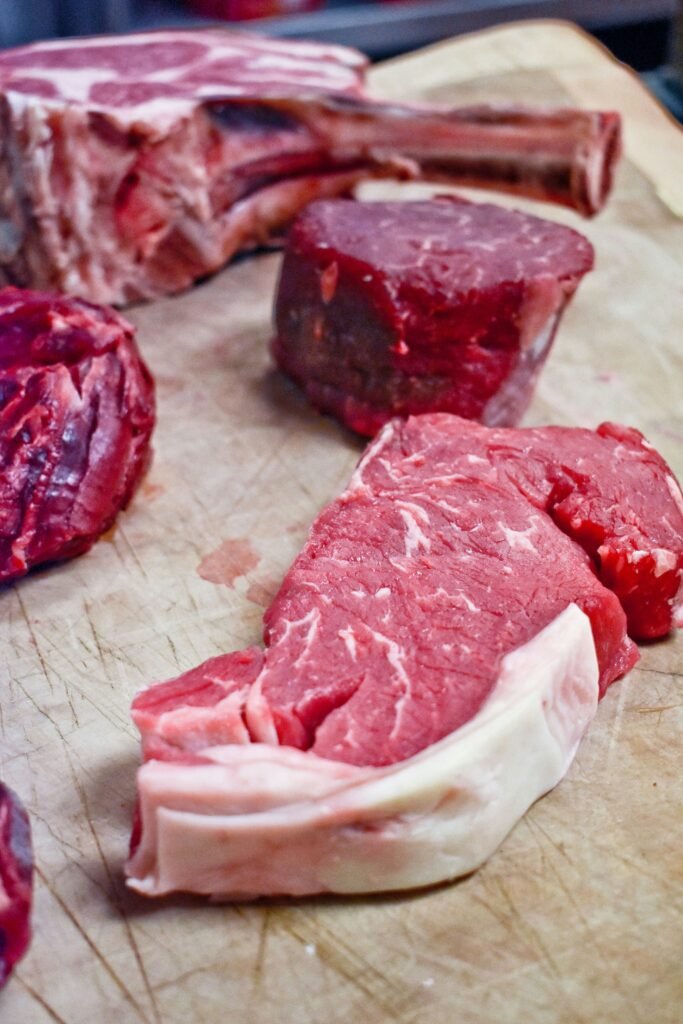
- Uncooked meats (like chicken, beef, lamb, or fish)
- Bones (raw, not cooked, since cooked ones can splinter)
- Organs (liver, heart, kidney — the stuff that makes you go “eww,” but your pet goes “yum!”)
- Fruits and veggies for added vitamins and fiber
The idea is to mimic what animals would eat in the wild — fresh, whole foods, nothing processed, no grains or preservatives. Sounds pretty convincing, right? After all, wolves don’t eat kibble in the forest.
But… just because it sounds natural doesn’t mean it’s automatically better.
Why Pet Parents Are Obsessed With Raw Feeding
Okay, I get it. The appeal is strong. Raw diets look fancy, feel natural, and honestly, who doesn’t want to feed their dog something that looks better than their own lunch?
Here’s why people love it:
- Shinier coats: Raw-fed pets often have glossier fur — like, shampoo-commercial level shine.
- Smaller, less smelly poop: Yeah, we’re going there. Raw food can lead to more efficient digestion, which means less waste. (Your nose will thank you.)
- Higher energy levels: Some owners swear their pets act more “alive” — playful, alert, and strong.
- Cleaner teeth: Chewing raw bones helps scrape off plaque, working like nature’s toothbrush.
When I switched Max to partial raw feeding, I noticed he was more energetic. He even started bringing me his leash again for walks — which, if you knew Max, is basically like seeing a teenager voluntarily do chores.
But as with all shiny things, there’s a catch.
The Concerns Experts Can’t Ignore
Now, before you throw out that bag of kibble, let’s talk about what veterinarians and nutritionists are actually saying. Spoiler alert: they’re not all aboard the raw food train.
1. Bacteria — The Big One
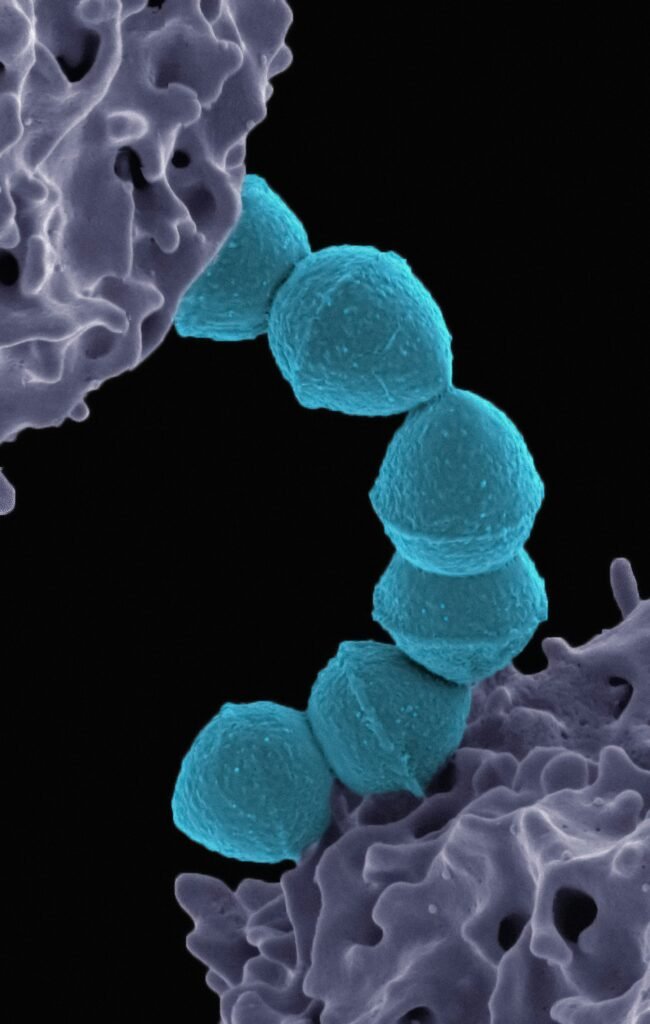
Raw meat can contain Salmonella, E. coli, and Listeria. And guess what? Your pet might handle it fine, but you might not. Those germs can hang out on your pet’s bowl, fur, and even that adorable face they lick you with every morning.
Dr. Lisa Freeman, a veterinary nutritionist at Tufts University, says raw diets carry a real risk of bacterial contamination — not just for pets, but for humans, especially kids or people with weaker immune systems.
So yeah, that “cute dinner photo” can quickly turn into a bathroom nightmare.
2. Nutritional Imbalance
Raw diets sound great until you realize how hard it is to balance nutrients. Without the right mix of calcium, phosphorus, vitamins, and essential fatty acids, your pet could end up with serious health issues.
Most vets recommend working with a pet nutritionist if you go raw. Otherwise, you’re just guessing — and your guess might cost your furry friend their long-term health.
3. Choking or Bone Damage
Sure, chewing bones looks primal and cool… until your dog chips a tooth or gets one stuck in their throat. Cooked bones are a big no, but even raw ones can splinter sometimes.
Ever had to pull a bone shard out of a dog’s mouth? Yeah… not the highlight of my week.
What Experts Actually Recommend
Here’s where the experts drop some truth bombs. Most vets don’t hate the idea of raw feeding — they just want it done safely and smartly.
Option 1: Go for Commercial Raw Diets
There are brands now that sell frozen or freeze-dried raw food that’s nutritionally balanced and tested for safety. Basically, they’ve done the messy work for you.
These brands often include added supplements and ensure the food meets AAFCO (Association of American Feed Control Officials) standards. So you get the benefits of raw food — without the bacterial roulette.
Option 2: The “Half-and-Half” Approach
This is what I do for Max. Half kibble, half raw. That way, he gets the variety and freshness without missing out on essential nutrients.
You can mix:
- A bit of cooked or raw meat on top of regular kibble
- Some steamed veggies for fiber
- A spoon of fish oil for coat health
Think of it as a “pet smoothie bowl” — balanced but fun. 🙂
The Real-Life Results: What Pet Parents Say
If you talk to ten pet owners, you’ll get twelve opinions about raw food (because someone’s cat always wants to chime in).
Here’s what people commonly report after switching:
- Better digestion (less gas, fewer tummy issues)
- More excitement at mealtime (pets love the taste of raw)
- Improved weight control
- Brighter eyes and cleaner teeth
But also:
- More expensive grocery bills
- Extra food prep time
- A fridge that smells… suspicious
One of my friends tried raw feeding her husky and ended up labeling her freezer drawers “for humans” and “for the wolf child.” I still laugh at that. But hey, she swears by it.
Let’s Talk About Cats (Because They Have Opinions Too)
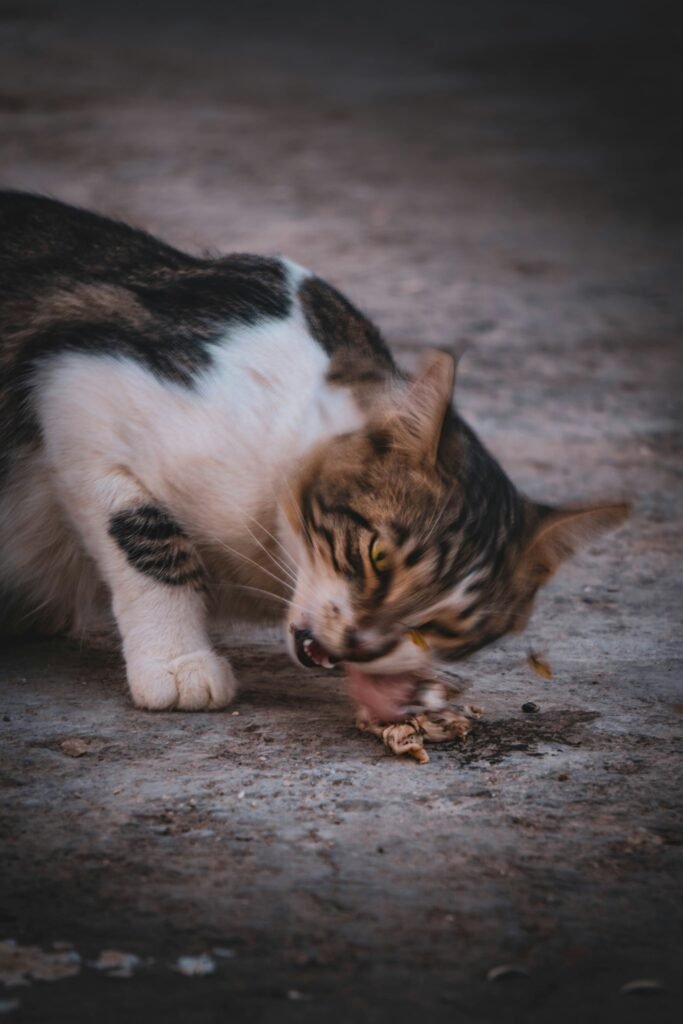
Cats are carnivores — like, real carnivores. They don’t mess around with carbs. So raw diets can seem like a natural fit.
But the same rules apply: balance and safety matter.
Cats need specific nutrients like taurine, vitamin A, and arachidonic acid, which can’t come from plants or incomplete meat diets. Without those, your kitty could end up with vision problems or heart issues.
So if you’re feeding raw to cats:
- Stick to trusted commercial raw formulas
- Avoid adding random ingredients “for variety” (cats are drama queens about change anyway)
- Talk to your vet — seriously, just do it
So… Is Raw Food Really Better?
Here’s the honest answer: It depends.
If you:
- Use balanced, high-quality ingredients
- Follow proper food safety guidelines
- Consult your vet or nutritionist
Then yes — a raw diet can be amazing. You’ll likely see better coat health, more energy, and happier mealtimes.
But if you:
- Toss raw chicken into a bowl and hope for the best
- Skip essential nutrients
- Ignore hygiene rules
Then no — you’re probably doing more harm than good.
The truth is: Raw food isn’t magic. It’s a method. And like any method, it works when done right.
Quick Tips for Safe Raw Feeding
If you’re thinking of giving it a try, here’s your cheat sheet:
- Wash hands and bowls thoroughly after every meal
- Use stainless steel bowls (they’re easier to sanitize)
- Freeze raw meat for at least 3 days before feeding — it helps kill parasites
- Thaw safely in the fridge, not on the counter
- Rotate proteins (chicken, beef, fish, lamb) to cover more nutrients
- Add supplements like fish oil or bone meal for balance
And maybe keep a dedicated cutting board for pet food unless you enjoy living dangerously. 😉
What About Cost?
Let’s not sugarcoat it — raw feeding can get pricey. Especially if you’re using premium meats.
But here’s how to make it budget-friendly:
- Buy in bulk from local butchers
- Use cheaper cuts (like liver and heart — super nutritious!)
- Prep meals weekly and freeze them
- Combine raw with kibble to stretch your budget
It’s all about balance — for your pet and your wallet

The Verdict: What the Experts (and Experience) Say
So after all the hype, what’s the final takeaway?
Experts say raw diets can be beneficial — if done right. The problem isn’t the concept; it’s the execution. Too many pet parents jump in without proper research, turning their kitchen into a science experiment.
IMO, the best approach is education first, experimentation second. Talk to your vet, start small, observe how your pet reacts, and adjust.
And hey, don’t beat yourself up if kibble works better for your pet. Every animal is unique — what makes one thrive might make another sulk.
At the end of the day, all your pet really wants is your love, consistency, and maybe a piece of cheese now and then.
Final Thoughts
So, is raw food really better for pets? Sometimes yes, sometimes no. The magic is in how you do it.
Raw feeding isn’t a trend; it’s a commitment. It’s messy, sometimes smelly, occasionally expensive — but if it makes your furry friend healthier and happier, it might just be worth it.
And if not? Don’t worry. Max is currently munching on kibble as I type this, looking at me like I betrayed him. But you know what? His tail’s wagging. And that’s all the validation I need.